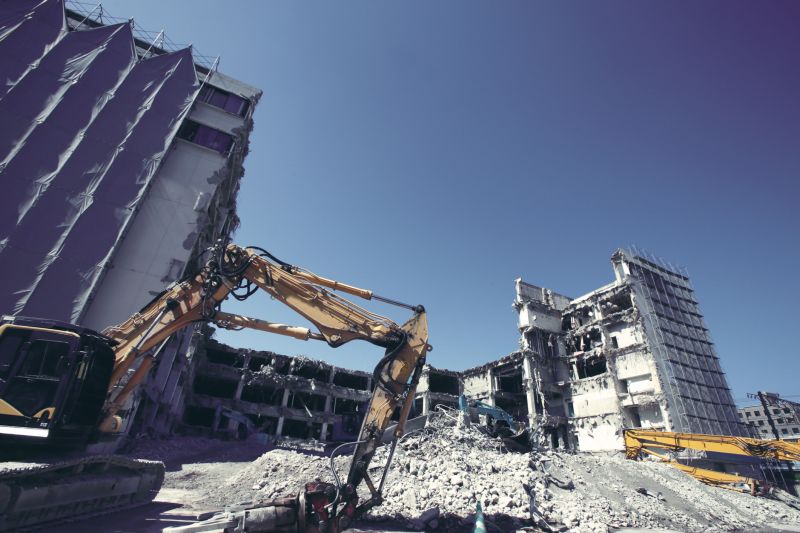
Parking Lot Removal in Houston, TX
Parking lot removal services involve the safe and efficient removal of existing asphalt, concrete, or other paving materials from a property. These services are commonly requested for projects such as driveway replacements, commercial lot upgrades, or residential parking area renovations. Property owners should consider factors like the size of the area to be removed, any underground utilities or structures that may be present, and the desired future use of the space to ensure proper planning and execution.
Before requesting parking lot removal, property owners typically want to understand the scope of work, including the extent of demolition required and any potential disruptions to property access. It’s also helpful to know if permits or approvals are necessary for the project, and whether debris removal and site cleanup are included. Clear communication about project details can help ensure the process aligns with the property’s needs and future plans.
Many property owners in Houston, TX look into Parking Lot Removal for repairs, replacements, upgrades, and appearance-related improvements.
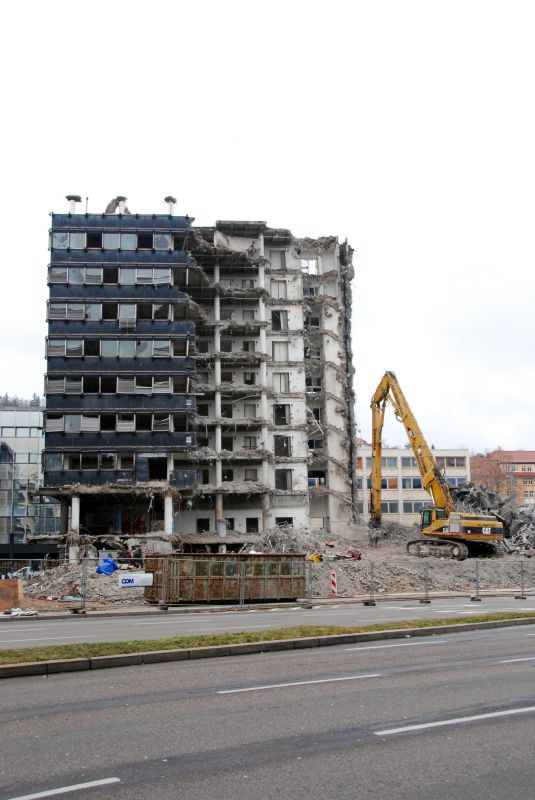
Parking Lot Demolition
Removing old or damaged pavement to prepare for new surface installation.
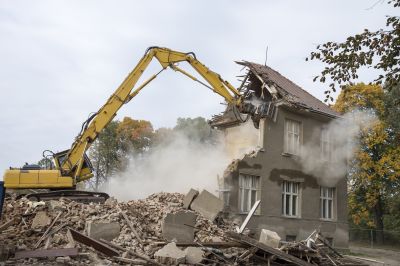
Asphalt And Concrete Removal
Efficiently clearing existing materials to enhance property safety and appearance.
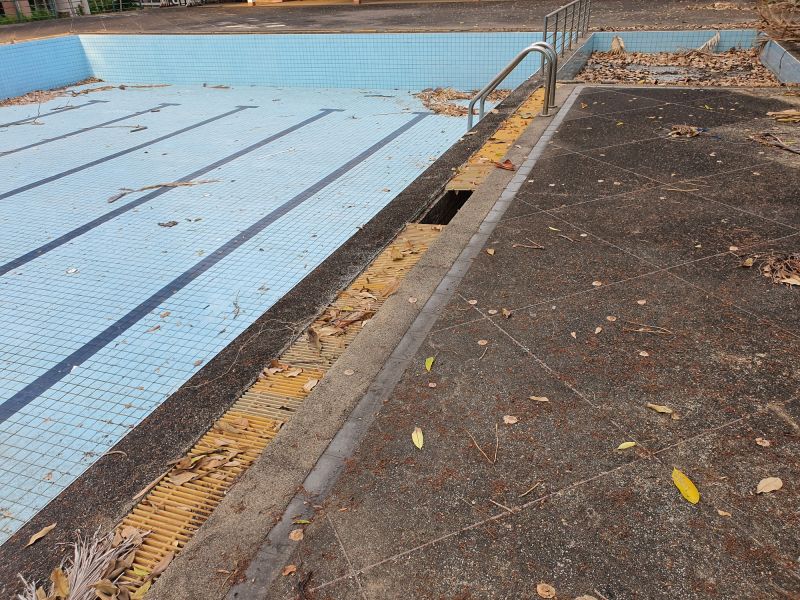
Site Clearing For Development
Preparing lots for construction projects by removing unwanted parking surfaces and debris.
Parking Lot Removal in Houston, TX
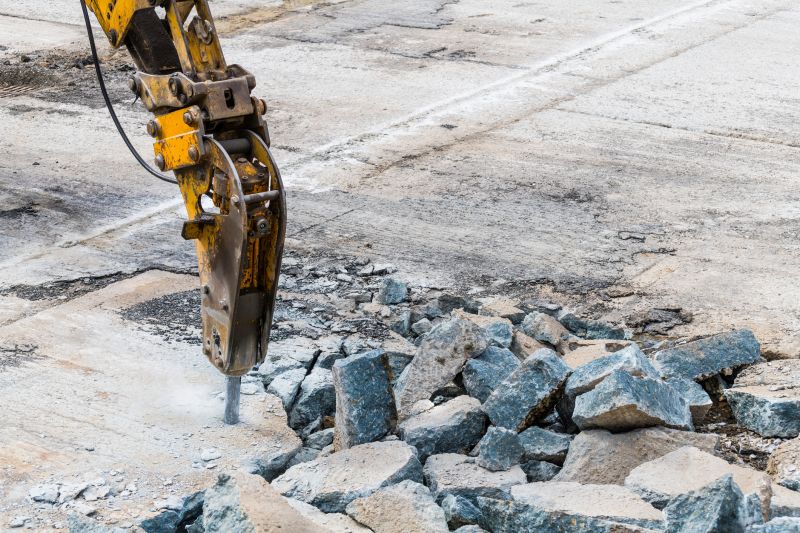
Parking lot removal services involve the safe and efficient removal of existing asphalt, concrete, or other paving materials from a property. These services are commonly requested for projects such as driveway replacements, commercial lot upgrades, or residential parking area renovations. Property owners should consider factors like the size of the area to be removed, any underground utilities or structures that may be present, and the desired future use of the space to ensure proper planning and execution.
Before requesting parking lot removal, property owners typically want to understand the scope of work, including the extent of demolition required and any potential disruptions to property access. It’s also helpful to know if permits or approvals are necessary for the project, and whether debris removal and site cleanup are included. Clear communication about project details can help ensure the process aligns with the property’s needs and future plans.
Many property owners in Houston, TX look into Parking Lot Removal for repairs, replacements, upgrades, and appearance-related improvements.
Common Parking Lot Removal Jobs
Asphalt Parking Lot Removal - removal of old or damaged asphalt surfaces to prepare for new paving projects.
Concrete Parking Lot Removal - demolition of concrete slabs to facilitate renovations or expansions.
Full-Size Lot Removal - clearing entire parking areas for redevelopment or reconfiguration.
Partial Lot Removal - removing sections of a parking lot to create driveways, landscaping, or access points.
Pavement Recycling - breaking up existing pavement for reuse in new surfacing projects.
Drainage System Removal - dismantling outdated or damaged drainage infrastructure within parking areas.

Parking Lot Removal Questions
What types of parking lot removal services are available? Services include removal of asphalt, concrete, or gravel parking areas, whether for upgrades, renovations, or site clearing.
When should a parking lot be removed? Removal is typically needed for outdated, damaged, or non-compliant parking surfaces, or when preparing a site for new construction.
What should property owners consider before removal? Consider the size of the lot, the type of material, and the future use of the space to plan for proper disposal and site preparation.
Is parking lot removal suitable for residential properties? Yes, it can be used for driveways, private parking areas, or small commercial lots needing replacement or expansion.
Request Parking Lot Removal in Houston, TX
Use the quote form on this page to share the basics of your project and request more information for the type of work you need.